
Advice for safer injecting
The risks of injecting drugs
If you take drugs by injecting them, you are more vulnerable to injuries, infections and blood-borne viruses. It’s also easier to overdose from an injection than from other methods of using drugs.
Using a needle can cause abscesses, ulcers and damage to your veins. Using an unclean needle can also pass on viruses like hepatitis C, hepatitis B and HIV.
If you notice an injection site that is bleeding, changing colour, weeping, or is swollen or painful for more than a few days, please speak to a doctor or medical professional as soon as you can.
How to inject drugs more safely
The only real way to stay safe is by not injecting, but you can also lower the risk of infections and injuries by following these tips.
Clean your hands and surfaces before and after each injection. This helps to stop infections.
Always use a new set of equipment for every injection. Safely dispose of your equipment right away to avoid anyone reusing it or hurting themselves by accident.
You can get new, clean equipment at a needle and syringe programme. You can also dispose of your old equipment and get lots more advice about keeping yourself safe. Find out more about needle and syringe programmes at the bottom of this page.
Don’t share, borrow or lend any injecting equipment. Using your own equipment helps avoid HIV, hepatitis and other infections. This doesn’t just mean needles; it also includes mixing water, cups, spoons and filters.
Always use the smallest, thinnest needle possible for the injection site. Larger needles damage your veins more than small ones.
Always use the best water available to you. Sterile water for injection is best, followed by water that’s been boiled and allowed to cool. Never use shared water or water that’s been left out.
Don’t use too much citric. This can help injecting sites heal better and can reduce the risk of burns to the skin and veins.
Rotate sites in both arms as much as possible. This gives each injection site time to heal and stops you moving on to riskier ones like your groin.
Dispose of all equipment safely. A needle and syringe programme can give you a disposal bag and get rid of used equipment for you.
Don’t inject alone. Try to do it when you are with people you trust, and who know what to do in an emergency.
Never inject into the neck or the inside of your groin. Both areas have important arteries and are extremely dangerous for injections.
Always carry naloxone. Naloxone is a drug that temporarily reverses an opioid overdose and can save someone’s life. Find out more about naloxone and how to get a kit.
If you are injecting heroin, try another way of taking it. Smoking, snorting or inserting heroin up your bum still carry risks, but they are all safer than injecting. Find out more about safer ways of taking heroin.
How to tell if someone has overdosed
Keep an eye out for these signs that someone is having an overdose:
- They are making deep snoring/gurgling noises.
- You can’t wake them up, and they don’t respond if you shake their shoulders or call their name.
- They have a blue or grey tinge to the lips, nail beds or other extremities.
- They have stopped breathing.
Always call 999 if you think someone is having an overdose. Don’t be scared that you’ll get in trouble. The ambulance will not bring the police with them except in very particular cases.
What to do if someone is having an overdose
Keep calm and follow these steps:
- Make sure that you’re not in any danger first. Keeping yourself safe is important.
- Call 999 and ask for an ambulance.
- Check to see if there is anything obstructing their airways.
- Place the person in the recovery position. You can find out how to do this here.
- If you have naloxone, give it to the person having the overdose
- Wait with the person until the ambulance arrives, and give the used naloxone kit to the paramedics.
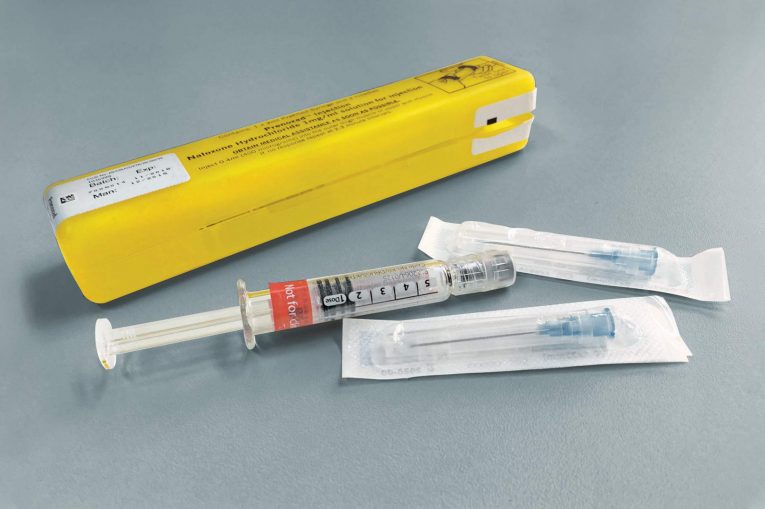
Naloxone: The overdose reversal drug
Naloxone can reverse the effects of opioids, such as heroin, methadone, opium, codeine, morphine and buprenorphine. A naloxone dose can save someone’s life if it's used quickly after they’ve overdosed on opioids, and before emergency help arrives.
The effects of naloxone don’t last long, so always call 999 and ask for emergency help when you use it.
Naloxone will work on synthetic opioids.
Synthetic opioids are a new type of drug that are very strong and very dangerous. They have been found mixed in with other drugs across the UK, so people might not know they are taking them.
If you think someone is overdosing but you aren’t sure what they’ve taken, you can still give them naloxone. It won’t hurt them and it could help them.
You can get a free naloxone kit and training from one of our services.
Find out about naloxone and what to do if someone is overdosing.
Get safe equipment from a needle and syringe programme
Needle and syringe programmes are places where you can get safe, clean injecting equipment and advice for staying safe. You can also return any used equipment so that it can be safely disposed of and get disinfectant tablets for cleaning needles as a last resort.
Many of our drug and alcohol services offer a needle and syringe programme. Get in touch with your local service or visit their website to find out if they have a programme.
Get help, support and advice.
If you’re struggling with drugs or alcohol, we’re here to help.
Share this page: