
Medication-assisted treatment
MAT can be a huge step towards achieving your recovery goals.
The medication we prescribe you will depend on the substances you are receiving treatment for, among other factors. We will give you more information about your specific medication and how to take it safely before you start your prescription.
Starting your medication
- You’ll need to make sure you are registered with a GP surgery so we can assess and treat you safely.
- We’ll help you to arrive at the right prescription as quickly as possible so you can take your medication away with you.
- If you miss more than three days of your medication, we will review your prescription to make sure your dose stays safe.
Titration
Titration is the name we give to the period when we are gradually increasing your treatment to reach the right dose for you. During this time, your tolerance to a substance will be changing, so we will be in touch with you regularly throughout the titration period to make sure that you are safe.
If we are unable to make contact, this will impact your dose increases and can extend the time needed to reach the right dose, so we ask everyone to ensure they are available for contact with their keyworker and/or clinician throughout titration.
Medication safety tips
Your medicine is for you. Never give it to other people even if their condition appears to be the same as yours. It may harm them.
Speak to your recovery worker or prescriber if you feel any side effects.
Drinking or using drugs on top of your medication can affect how it works, and may be dangerous.
MAT can affect other medicines. Always tell your prescriber about any prescription or over-the-counter medicines, vitamins or minerals, herbal products, or other supplements you are taking.
There are laws for drug driving like there are for drink driving. If you are being prescribed buprenorphine, you must let the Driver and Vehicle Licensing Agency (DVLA) know.
Keep your medication in a safe place away from children and animals. Ask your worker for a free lockable box to store your medication.
Always call 999 if you think a child has swallowed your medication.
Please give us at least four weeks’ notice if you’re travelling in the UK or abroad. We’ll work with you to make sure it’s medically safe for you to travel.
A member of our team might ask you to occasionally take a drug test. This is to make sure you’re getting the safest and most effective treatment for you.
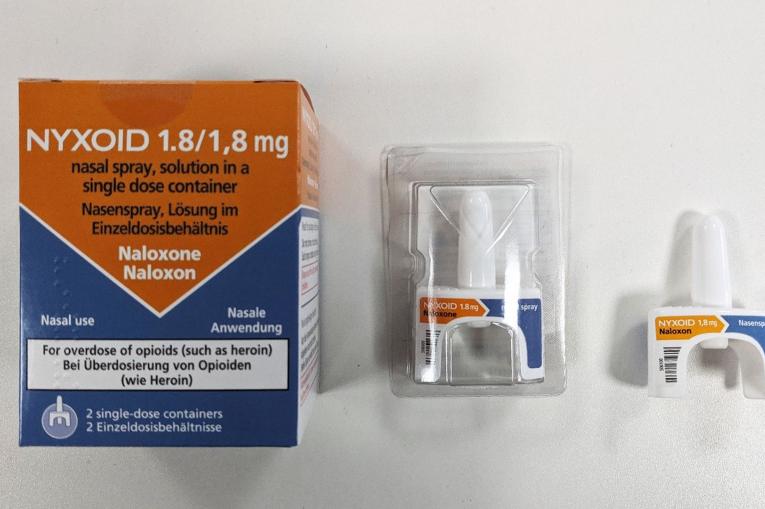
Naloxone saves lives
Naloxone is a drug that can temporarily reverse the effects of opioids like heroin and fentanyl. It also works on opioid substitute medications like buprenorphine and methadone.
If someone is having an overdose, naloxone could save their life. If you think someone is overdosing but don’t know what they’ve taken, naloxone could help them and won’t harm them.
Coming off MAT
While some people will choose to stay on a MAT prescription long term, others prefer to gradually reduce and eventually stop taking it – this is a detox.
If this is of interest to you, your clinician and recovery worker will be happy to speak to you about MAT detox, and assess your suitability.
A detox is a planned, time-bound intervention and is different to slow reductions. It usually takes places in a community setting, but sometimes an in-patient detox is recommended. We can also discuss aftercare options including rehabilitation and relapse prevention medications.